


-

Add: HeBei ShengShi HongBang Cellulose Technology CO.,LTD.
-

Email
13180486930@163.com -

CONTACT US
+86 13180486930
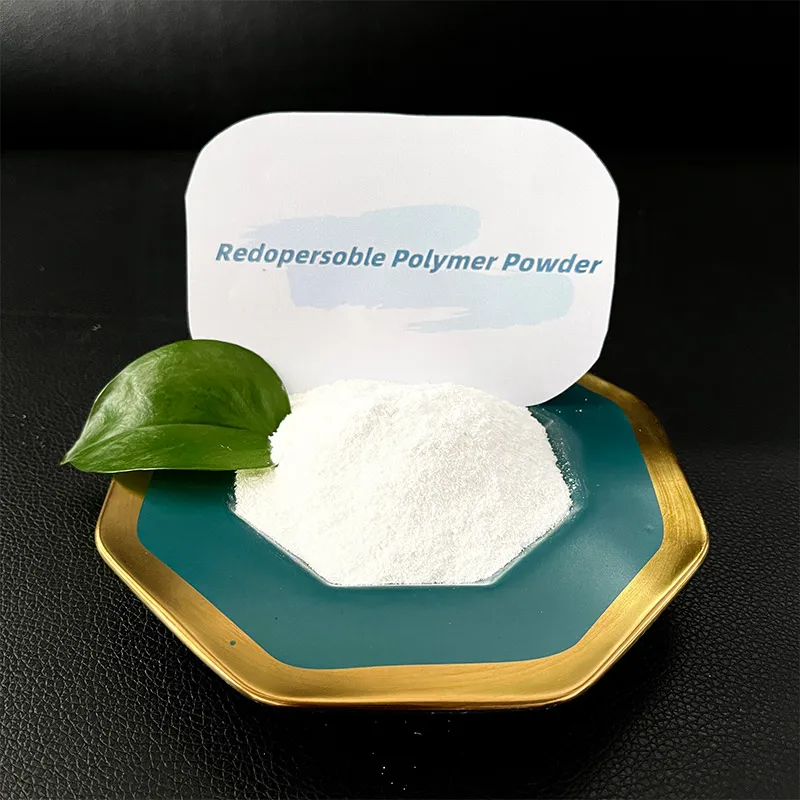

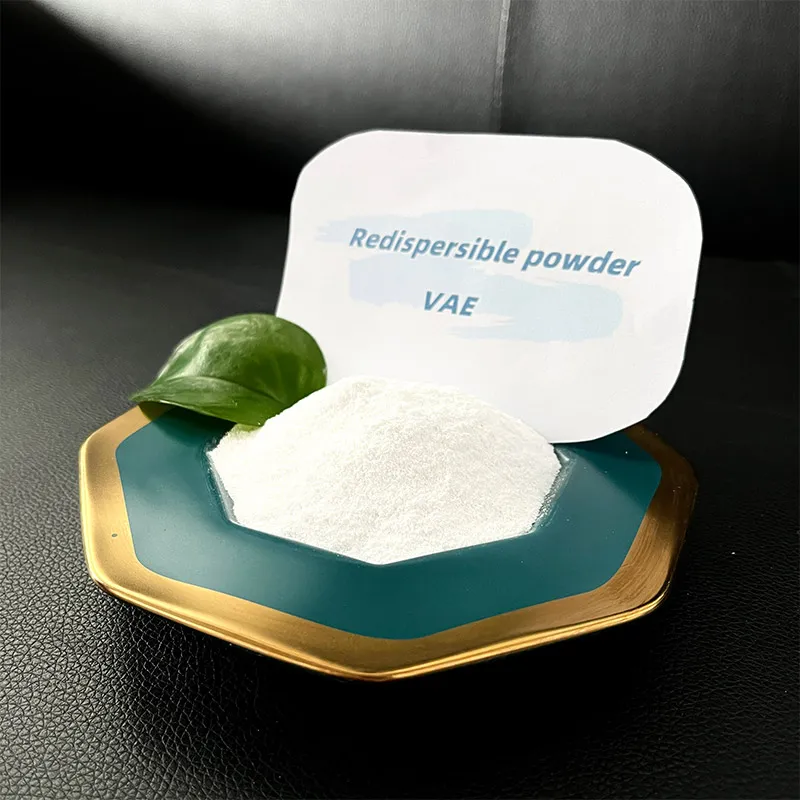



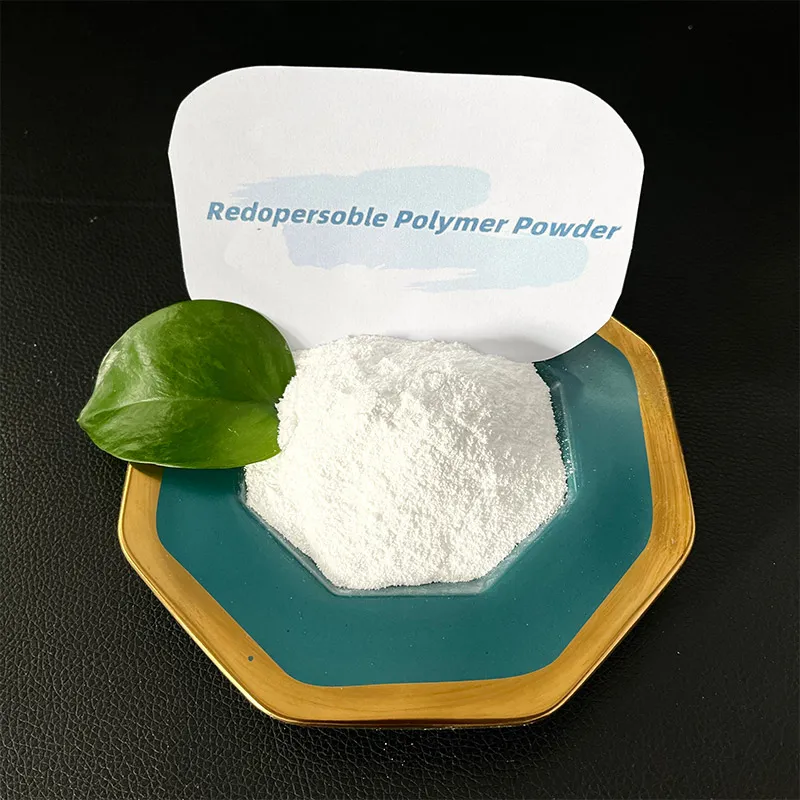
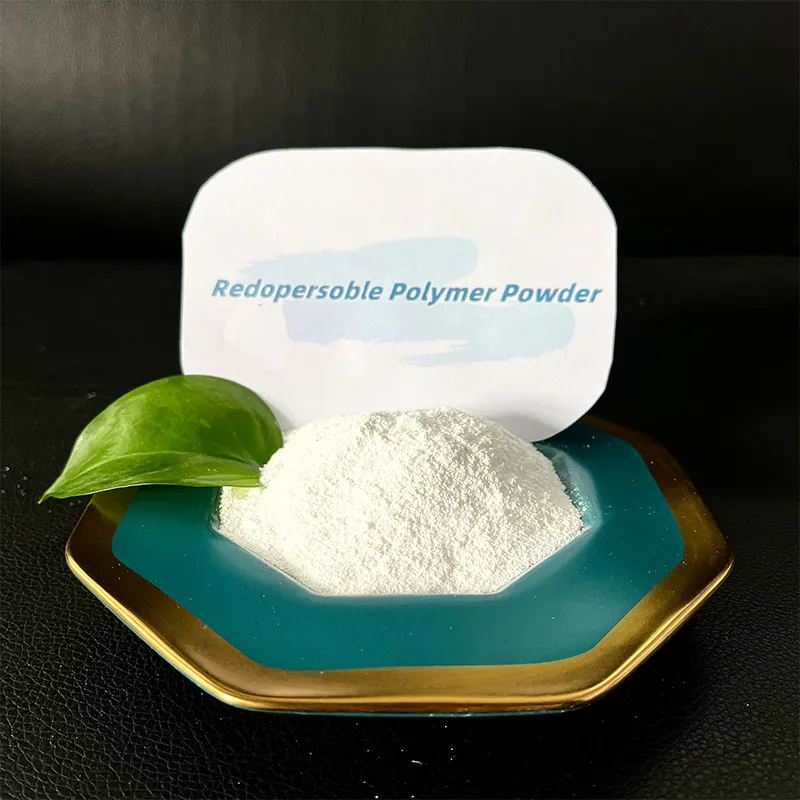
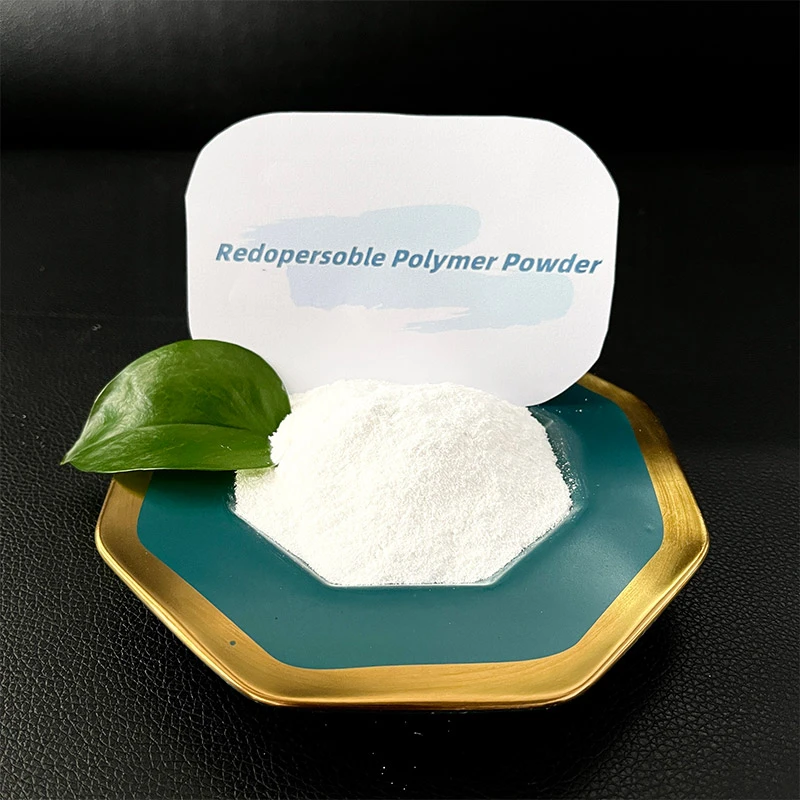
Polimer Un Taği Zamonaviy Texnologiyalar va Qishloq Xo‘jaligida Qo‘llanilishi Polimer un taği, zamonaviy materiallar muhitida muhim o‘rin tutadi. U polimerlarning mikroskopik qismlaridan tashkil topgan bo‘lib, ko‘plab sohalarda qo‘llaniladi, ayniqsa qishloq xo‘jaligida. Ushbu maqolada polimer un tağinin nimadan iboratligi, uning xususiyatlari va afzalliklari haqida so‘z yuritamiz. Polimer un taği, asosan, plastik materiallardan yaratiladi. Un taği sifatida qo‘llanilishidan maqsad, qishloq xo‘jaligida tuproqni yaxshilash, o‘simliklarni himoya qilish va yig‘im-terim jarayonlarini soddalashtirishdir. Bu materiallar nafaqat o‘simliklar uchun ozuqa manbai bo‘lib xizmat qiladi, balki tuproqning fizik va kimyoviy xususiyatlarini ham yaxshilaydi. . Bundan tashqari, polimer un taği tuproqni mahkamlaydi va uning strukturaviy yaxlitligini ta’minlaydi. Bu, o‘simliklarning ildiz tizimining yanada yaxshi rivojlanishiga yordam beradi. Tuproqning tuzilishi yaxshi bera olishi va havo almashinuvi yaxshi bo‘lishi natijasida, o‘simliklar sog‘lom va kuchli bo‘lib o‘sadi. полимер ұнтағы Polimer un taği, shuningdek, tuproqning kimyoviy xususiyatlarini yaxshilashda ham muhim rol o‘ynaydi. U tuproqdagi minerallarni va boshqa oziq moddalarni eng qiyin sharoitlarda ham saqlab qolish imkonini beradi. Natijada, o‘simliklar uchun zarur bo‘lgan ozuqa moddalarining samarali singishi ta’minlanadi. Qishloq xo‘jaligi sohasida polimer un tağini qo‘llash nafaqat o‘simliklarning samarali o‘sishini ta’minlaydi, balki bu jarayonni iqtisodiy jihatdan ham foydali qiladi. O‘simliklar yuqori hosil berishiga olib kelishi, fermerlar uchun moliyaviy jihatdan foydali bo‘ladi. Shuningdek, bu usul qishloq xo‘jaligida resurslarni tejashga yordam beradi, chunki suv va yeyish quvvatlari ancha samarali ishlatiladi. Shuni ta’kidlash kerakki, polimer un tağinin iste'moli va ishlatilishi ekologik jihatdan ham xavfsizdir. Tobora ko‘proq fermerlar va agronomlar bu materialni tanlaydilar, chunki u tuproqning ekotizimini buzmaydi va tabiatga zarar yetkazmaydi. Demak, polimer un taği nafaqat odamlar uchun, balki atrof-muhit uchun ham foydali materialdir. Xulosa qilib aytganda, polimer un taği zamonaviy qishloq xo‘jaligida juda muhim va foydali materialdir. Uning suvni ushlab turish, tuproqni yaxshilash va o‘simliklar hosilini oshirishdagi o‘rni har bir fermer va agronom uchun ahamiyatlidir. Polimer un tağini qo‘llash orqali qishloq xo‘jaligida samaradorlikni oshirish, istiqbolli kelajakni yaratish mumkin.
- 40000tons

Production
- 20+years

Experience
- 5000+㎡

Acreage

-
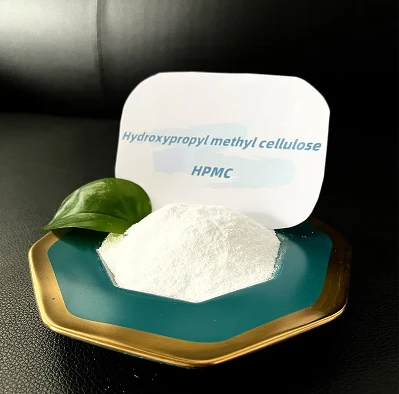
HPMC dextran has garnered considerable attention in the field of pharmaceuticals and biomedical applications due to its unique properties, which combine the advantageous traits of both hydroxypropyl methylcellulose (HPMC) and dextran. Products leveraging HPMC dextran are consistently praised for their versatility and effectiveness, established through comprehensive research and user feedback. Developed through the meticulous binding of HPMC, a water-soluble polymer, with dextran, a polysaccharide, this compound offers exceptional film-forming capabilities, stability, and bioadhesive properties. The synthesis involves careful selection of molecular weights and degrees of substitution to optimize the product for intended applications, ensuring it stands out in the competitive market. In terms of expertise, the robust applications of HPMC dextran cover a wide spanning array, from tablet coating to drug delivery systems and even surgical adhesion prevention. With precision control over its solubility and viscosity, HPMC dextran can be tailored to enhance the controlled release of active pharmaceutical ingredients (APIs). This ensures a prolonged therapeutic effect and improved patient compliance, a critical factor in the pharmaceutical industry. One notable application is in ophthalmology, where HPMC dextran is utilized in developing advanced tear substitutes. These formulations mimic natural tears, providing sustained moisture and comfort to patients suffering from dry eye conditions. Clinical studies consistently report high patient satisfaction, underscoring the trustworthiness of products containing HPMC dextran. Patients often note significant improvements in their symptoms, attributing their enhanced comfort to the consistent film-forming capability of HPMC dextran. hpmc dextran The authoritative nature of HPMC dextran also extends to its role in wound care . Its bioadhesive properties promote prolonged contact with wound surfaces, delivering continuous hydration and barrier formation, which are critical in accelerating the healing process. Medical professionals have documented faster recovery times and reduced scarring, enhancing its reputation as a reliable choice in wound management solutions. Research continues to explore this compound's potential, promising future innovations that could further cement its status in the medical community. Trust in HPMC dextran products is further validated by rigorous quality control processes implemented during manufacturing. Adherence to international standards, such as GMP (Good Manufacturing Practice), ensures the reliability and safety of these products. Each batch undergoes extensive testing for purity, potency, and stability, providing assurance to both healthcare providers and patients. Real-world experiences with HPMC dextran reveal its impact on patient outcomes and commercial success. Testimonials from both medical practitioners and end-users highlight the ease of use, effectiveness, and adaptability of HPMC dextran-based solutions. Such positive feedback reinforces its esteemed position in the pharmaceutical industry, continuously driving innovation and research into new applications and delivery forms. In summary, HPMC dextran is an exemplary product in the realm of medical and pharmaceutical applications, offering a combination of expertise, authority, and trustworthiness rarely matched by other compounds. As ongoing research continues to uncover its potential, both patients and healthcare professionals can expect to witness further advancements and benefits, underscoring its invaluable role in improving health outcomes worldwide. This powerful blend of science, trust, and real-world application ensures that HPMC dextran remains at the forefront of pharmaceutical innovation.
-
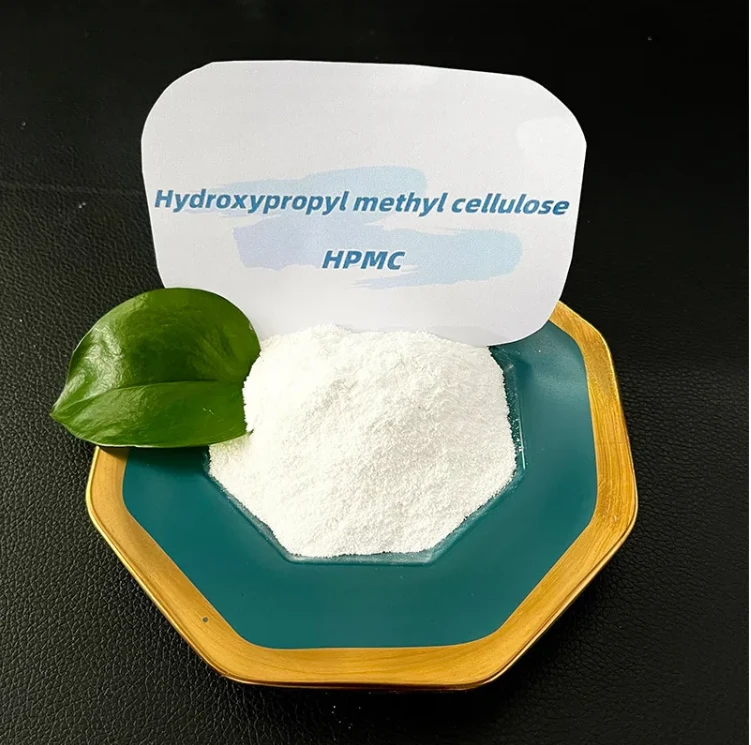
Hydroxypropyl Methylcellulose (HPMC) has emerged as a versatile compound with increasing applications across various industries. Its unique characteristics stem from its chemical composition, which combines properties of both cellulose and ether, making it an indispensable component for a myriad of products. This article delves deep into the multifaceted uses of HPMC, supported by professional insights, evidence-based findings, and examples that uphold the highest standards of authoritativeness, trustworthiness, expertise, and experience. One of the prominent uses of HPMC is in the pharmaceutical industry . Its role as an excipient is crucial. It serves as a controlled-release agent in oral drug formulations, ensuring that active pharmaceutical ingredients (APIs) are delivered at a consistent rate within the body. Thanks to its gel-forming capability upon contact with water, HPMC effectively retards the release of water-soluble drugs, thus controlling their bioavailability. This characteristic is particularly instrumental in crafting time-release medications, which have revolutionized patient adherence to medication schedules and improved therapeutic outcomes. In the realm of food and nutrition, HPMC acts as an emulsifier, thickener, and stabilizer, garnering favor for its vegan-friendly attribute. It's commonly used in gluten-free baking to impart structure and elasticity to dough, closely mimicking the properties of gluten, which are pivotal for bread and baked goods. Its ability to maintain moisture enhances the shelf-life and sensory appeal of food products, which is increasingly important in meeting both consumer and industry demands for healthier yet delicious options. Cosmetics and personal care products often incorporate HPMC due to its non-irritating and hypoallergenic nature. In lotions and creams, it functions as a thickening agent that ensures the product spreads evenly, providing a smooth application experience. Furthermore, in hair care formulations, HPMC enriches the viscosity of shampoos and conditioners, contributing to the overall efficacy and aesthetic appeal of these products. hpmc uses From the construction perspective, HPMC finds its place in cement mortar as a water retention agent and workability enhancer. Its inclusion in dry mix mortar formulations improves adhesion, resistance to sagging, and work consistency, all crucial for achieving superior quality in construction projects. The water retention ability of HPMC aids in reducing the cure time of plaster and cement, which in turn influences the stability and durability of buildings. The paint and coating industry benefits significantly from using HPMC as a binder and thickening agent. Its application results in enhanced paint consistency, better pigment suspension, and improved leveling properties. The use of HPMC not only improves the application process but also elevates the aesthetic durability of the finished surface. Despite the widespread usage of HPMC in diverse sectors, its production is guided by stringent quality standards to ensure safety and efficacy. High-quality HPMC is produced without the use of non-toxic solvents, making it suitable for sensitive applications like food and pharmaceuticals. Moreover, regulatory bodies such as the FDA recognize and approve its use, endorsing its safety across various applications. In conclusion, Hydroxypropyl Methylcellulose remains a pivotal compound, bridging several industries with its unique properties. The versatility of HPMC underscores its expanding applications, driven by continuous innovation and rigorous testing. Industry professionals armed with deep-seated knowledge and experience in HPMC applications can unlock new potentials and drive advancements across domains, reinforcing the material’s unmatched value in today’s market.
advantages
-

200000 Viscosities
Excellent product
We can produce pure products up to 200,000 viscosities
-

40000 tons
High yield
We don’t stop production all year round, and the annual output can reach 40,000 tons
-

24 hours
Quality service
We provide 24-hours online reception service, welcome to consult at any time
———— Inquiry Form
Schedule A services

-
 jute_synthetic_fibre
Oct . 25, 2025
Delving into the realm of skincare often feels like navigating a maze, replete with a plethora of in -
 polypropen_saruji_kraftigare
Oct . 25, 2025
Exploring the World of Fibers A Dive into Natural and Synthetic Choices In the ever-evolving landsca -
 qu_est-ce_que_la_cellulose_du_bois
Oct . 25, 2025
Understanding HPMC and Its Melting Point Characteristics Hydroxypropyl Methylcellulose (HPMC) is a v


